Important things to know about
Niacinamide
- Helps visibly improve uneven tone and enhance radiance
- Softens the look of fine lines and refines skin texture
- Strengthens the skin barrier to support moisture retention
Also known as:
Vitamin B3
What is Niacinamide?
Niacinamide is a multi-benefit ingredient recognized for its ability to support overall skin balance and clarity. Naturally found in the body, it plays an important role in helping maintain the skin’s barrier while visibly improving tone and texture—making it uniquely effective across multiple skin concerns. In DECORTÉ formulas, it helps soften the look of fine lines, diminish dullness, and strenghten the barrier for a smoother, mroe radiant complexion.
What Does It Do?
Niacinamide is a multi-benefit form of Vitamin B3 known for helping:
- Improve uneven tone and radiance
- Refine texture and fine lines
- Strengthen moisture barrier
What Are Its Origins?
Niacinamide is a form of Vitamin B3, an essential nutrient naturally found in the body and in foods such as grains and vegetables. In skincare, it is carefully developed into a stable, skin-compatible form designed to support barrier function and overall skin health.
What Skin Concerns Does It Address?
- Uneven Tone
- Fine Lines & Wrinkles
- Dullness
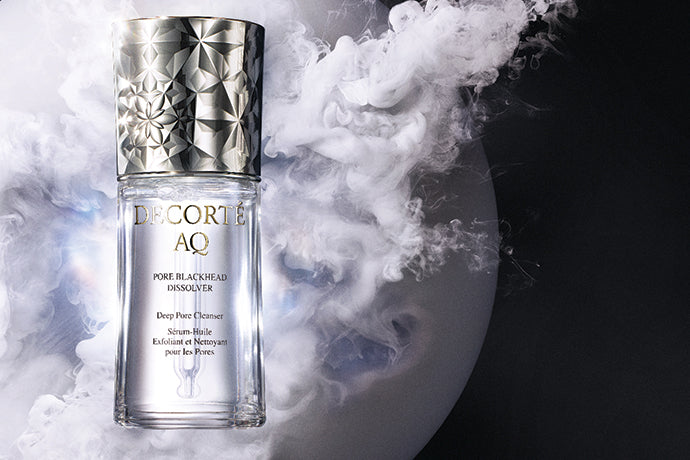
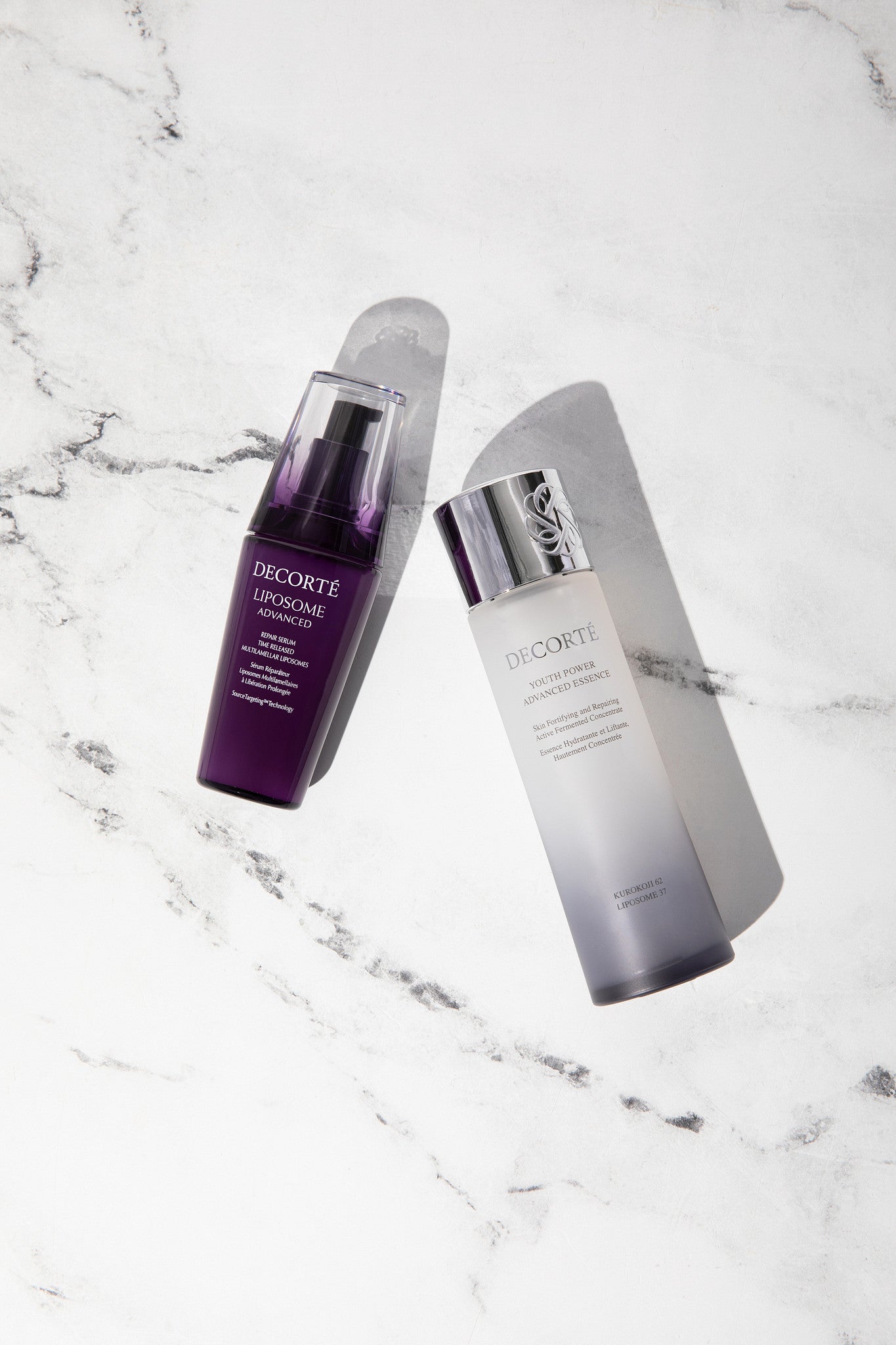
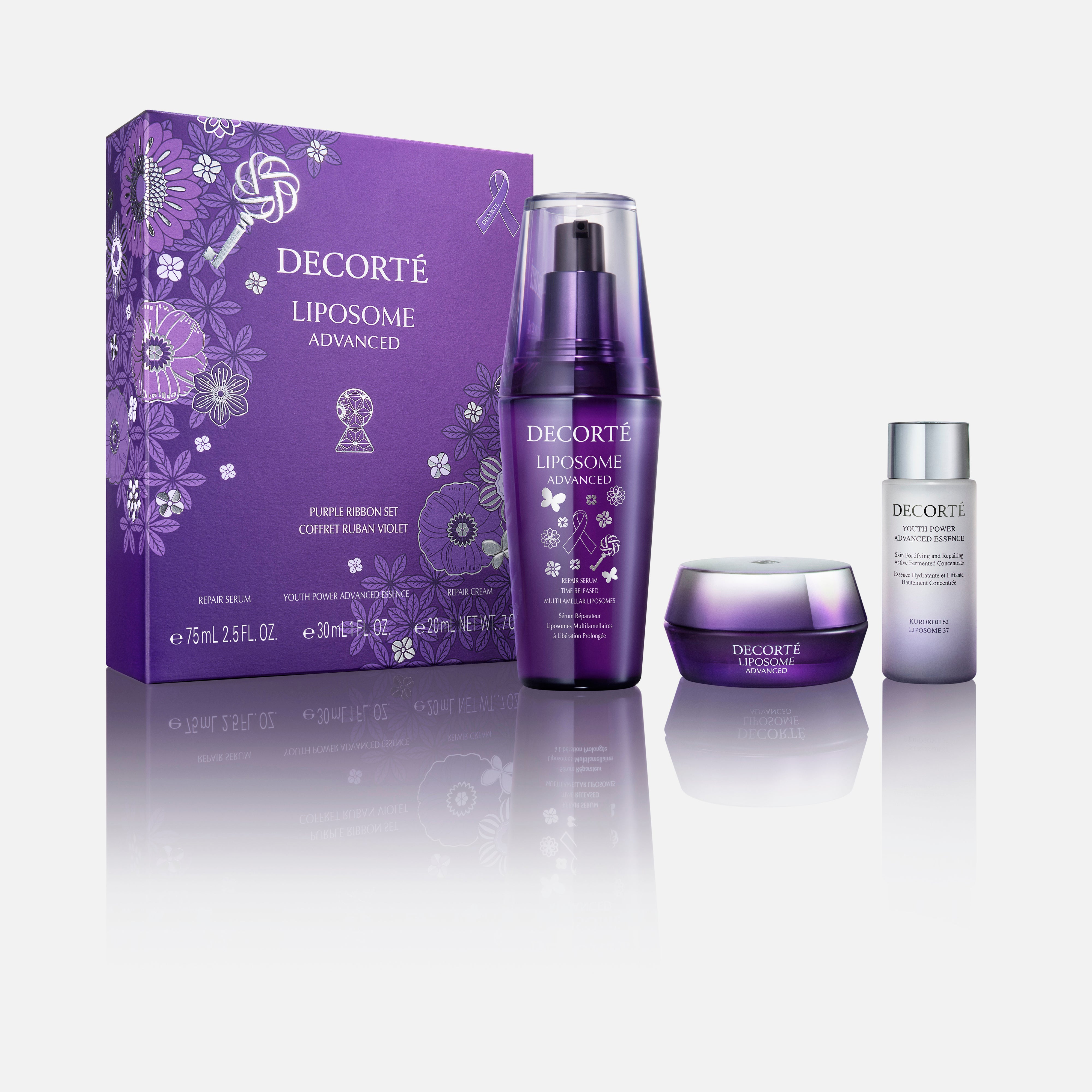
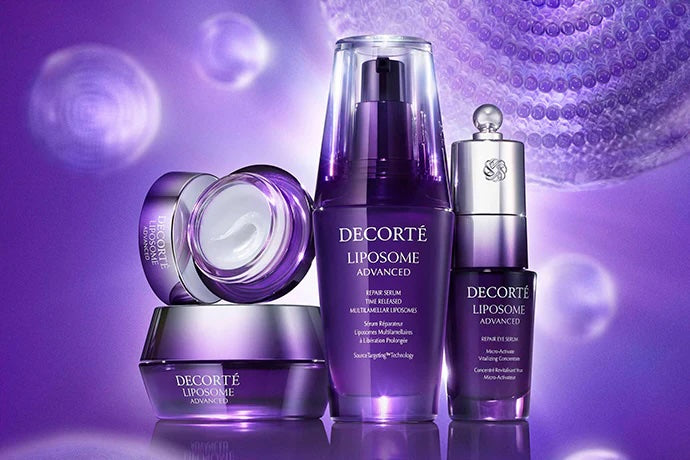
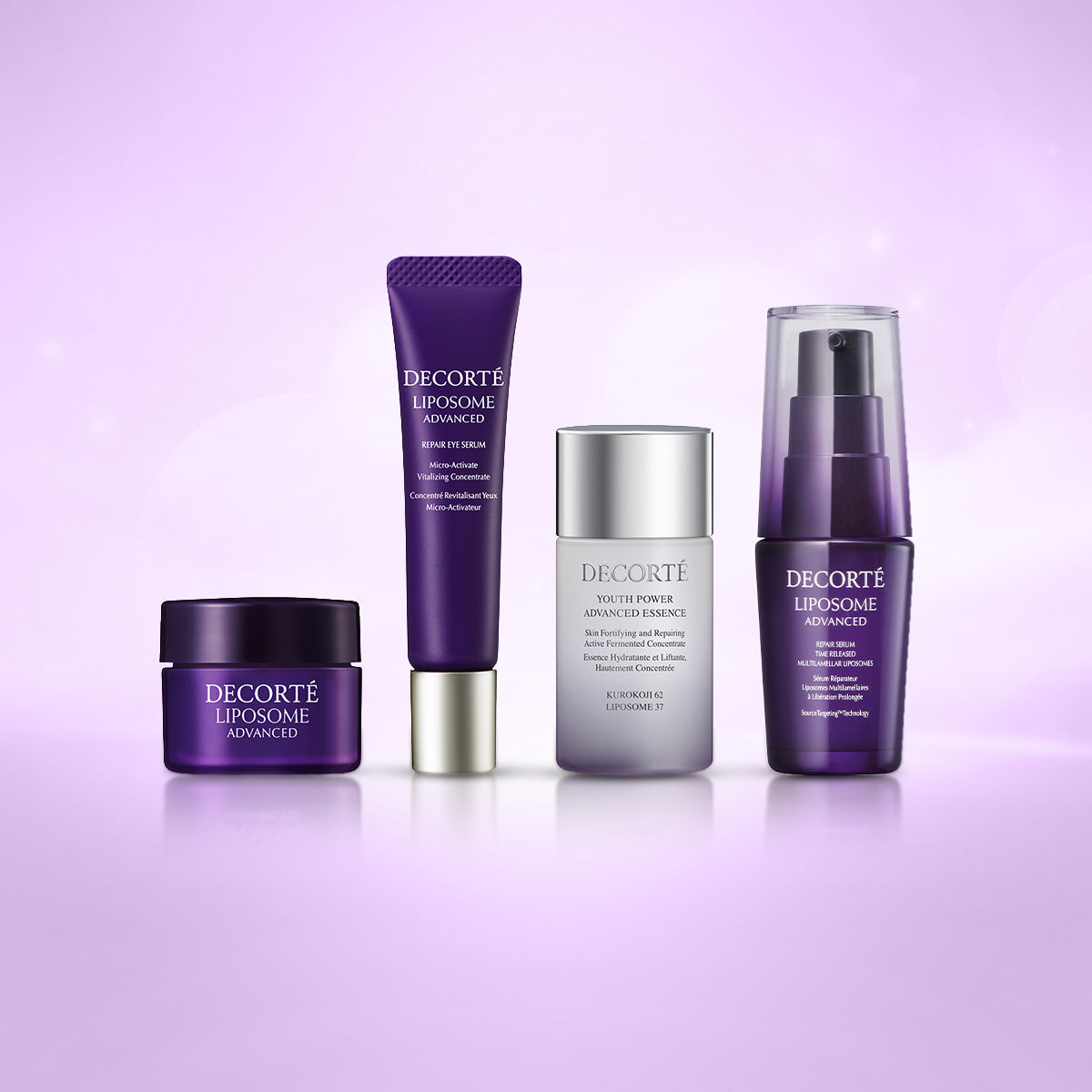
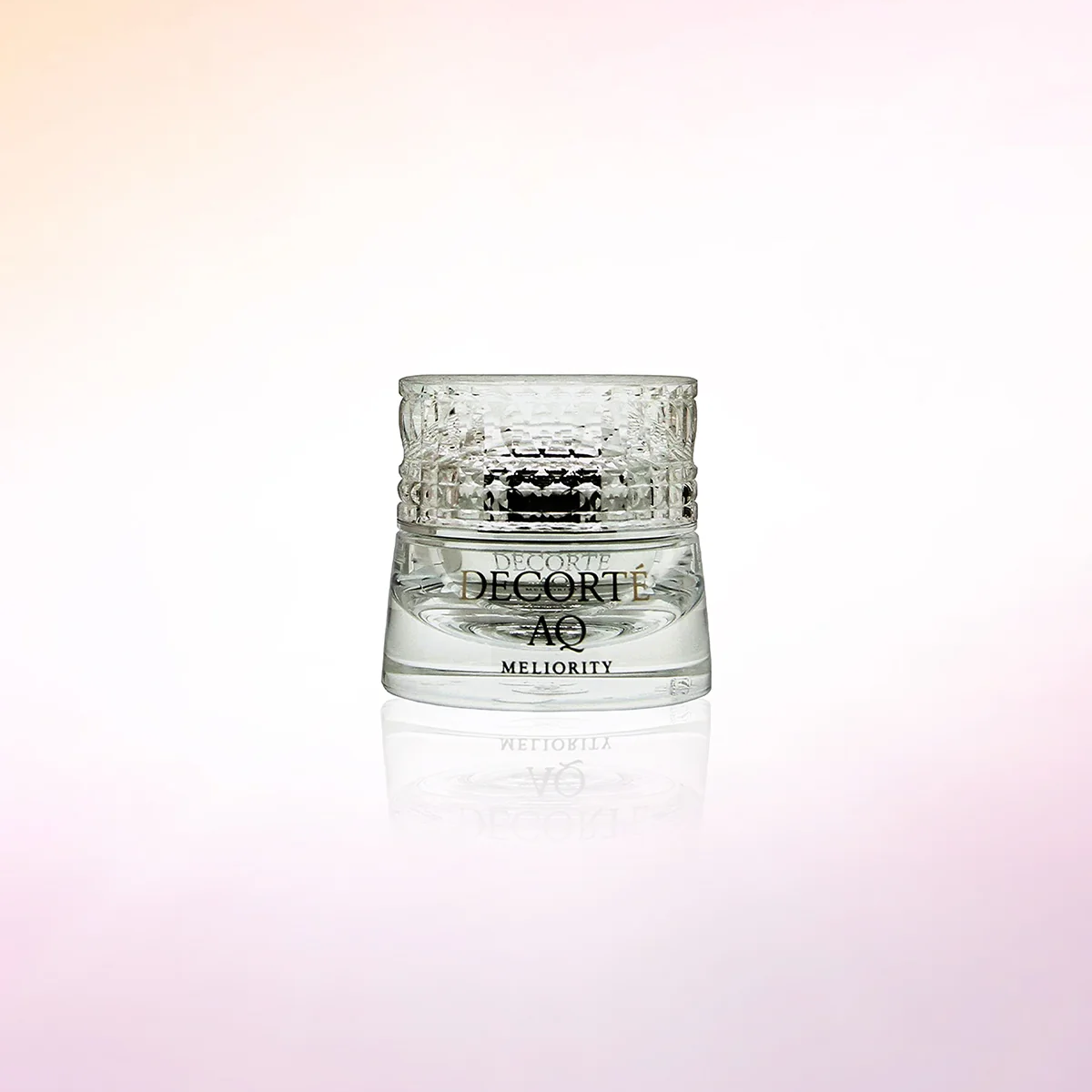
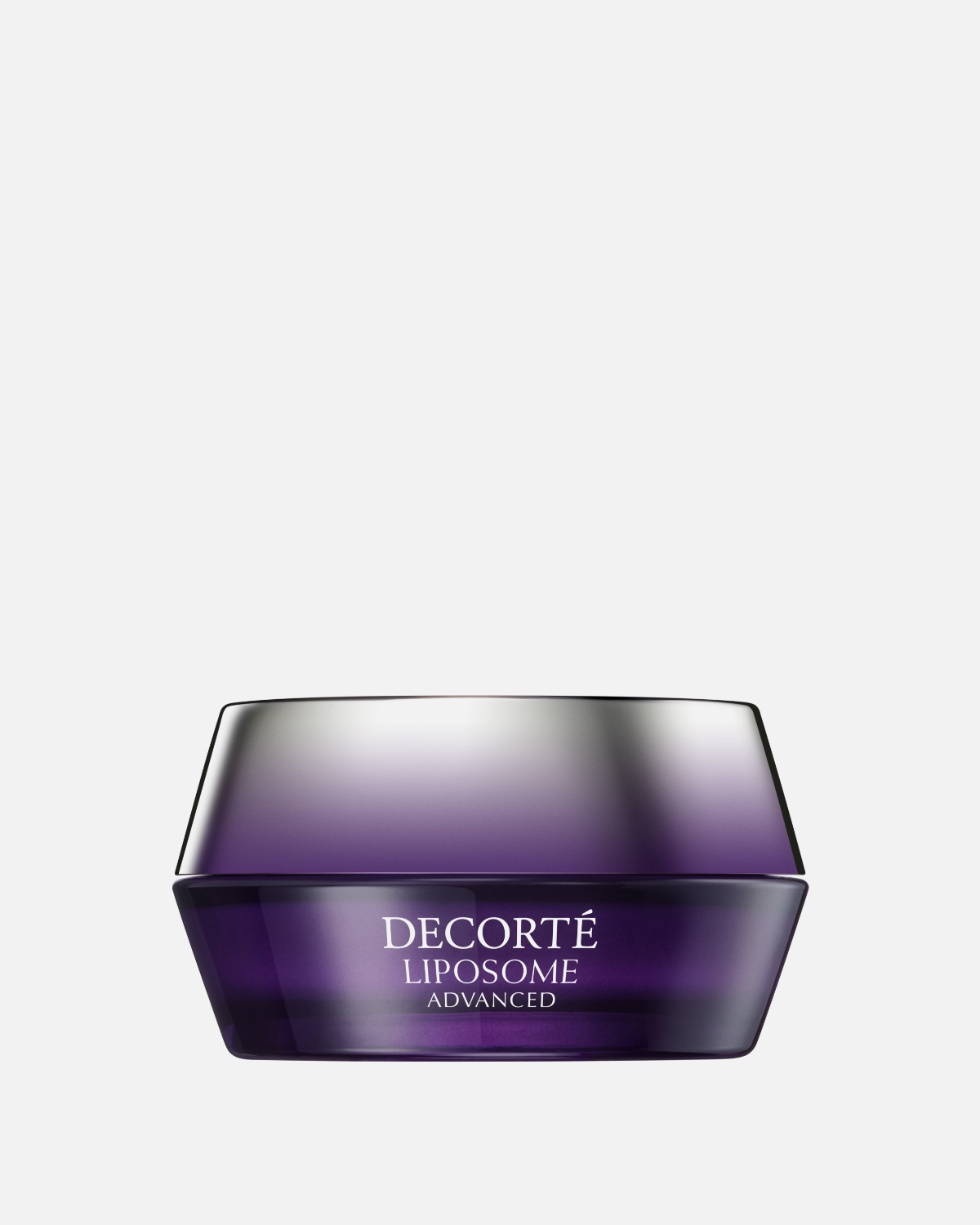
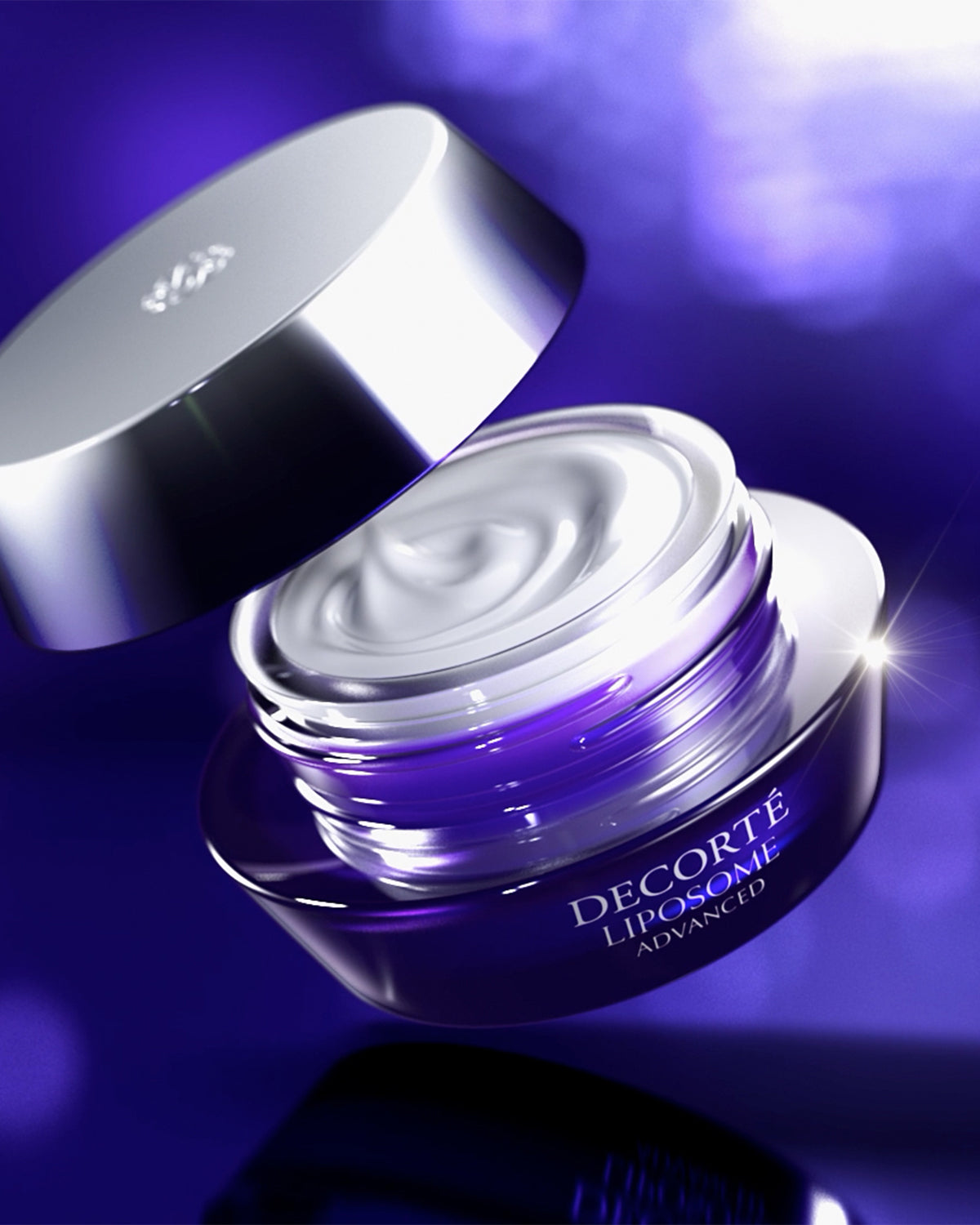
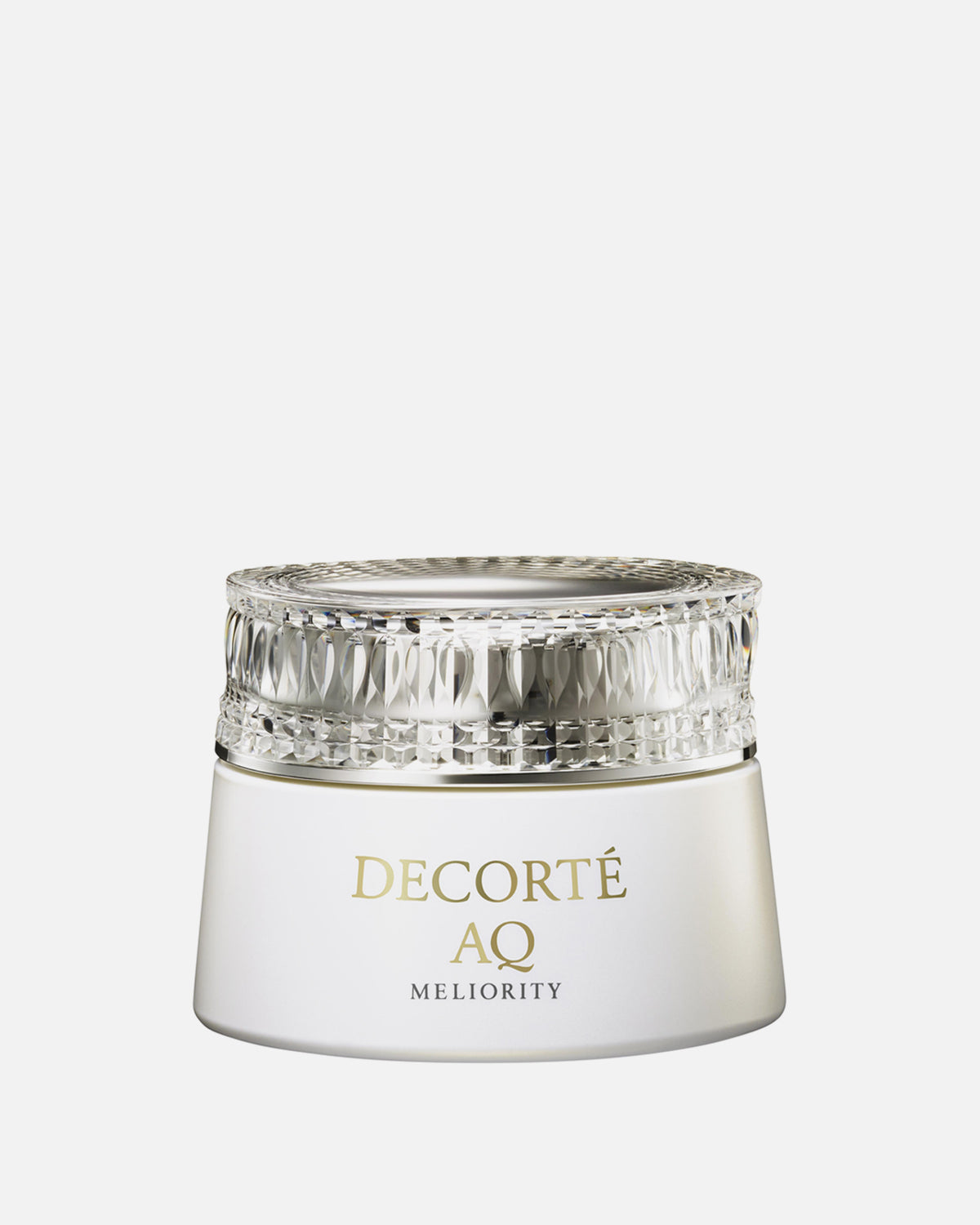
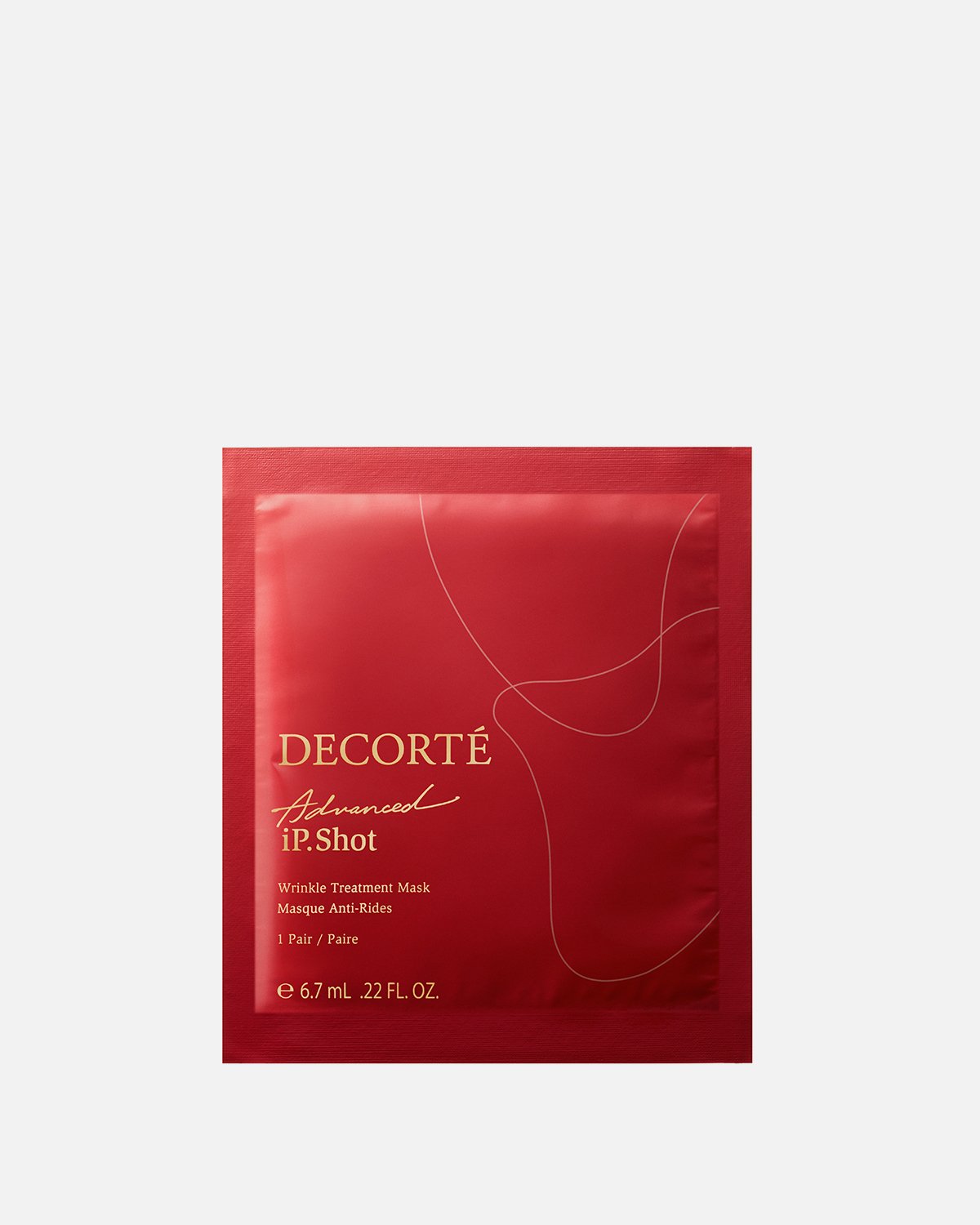
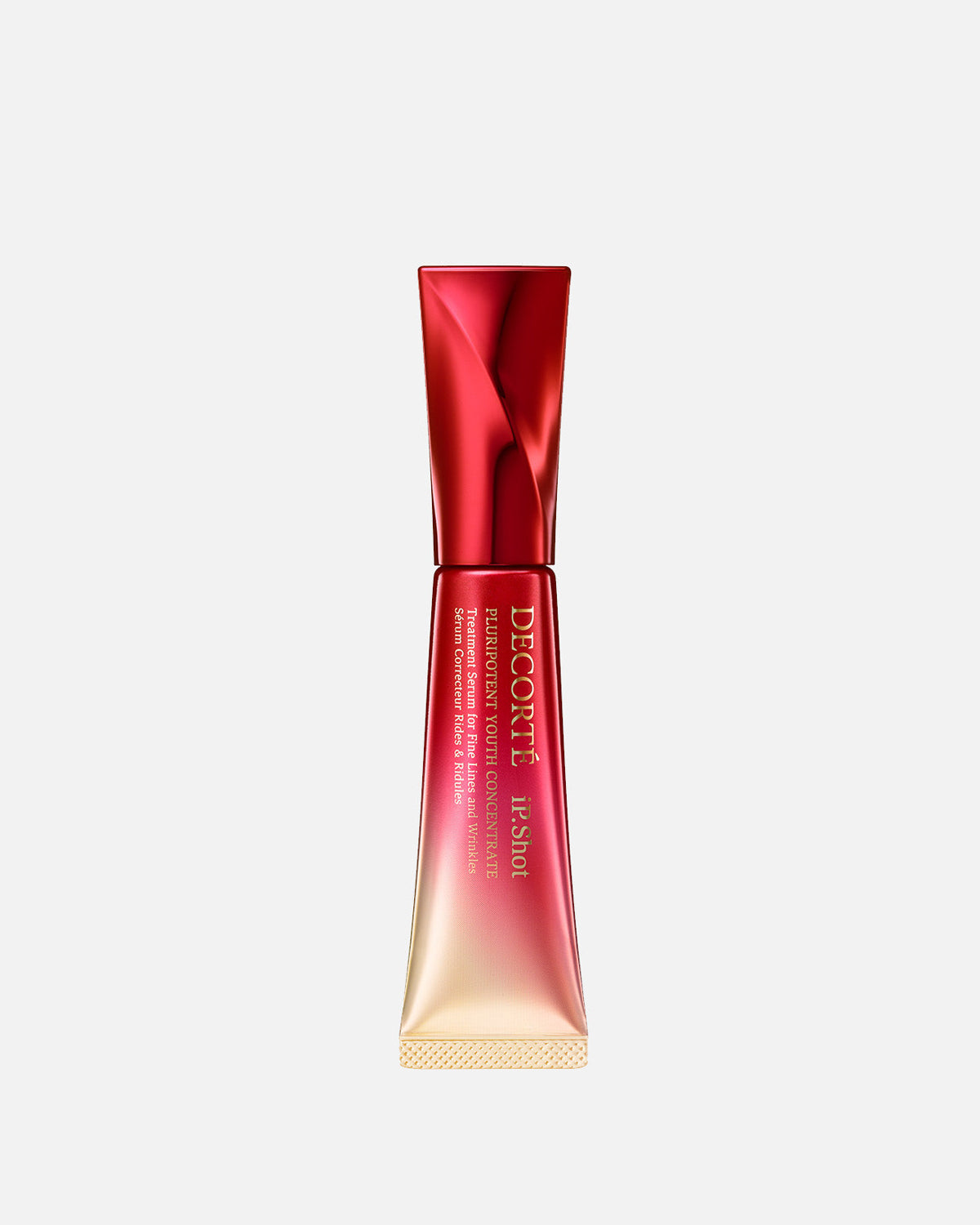
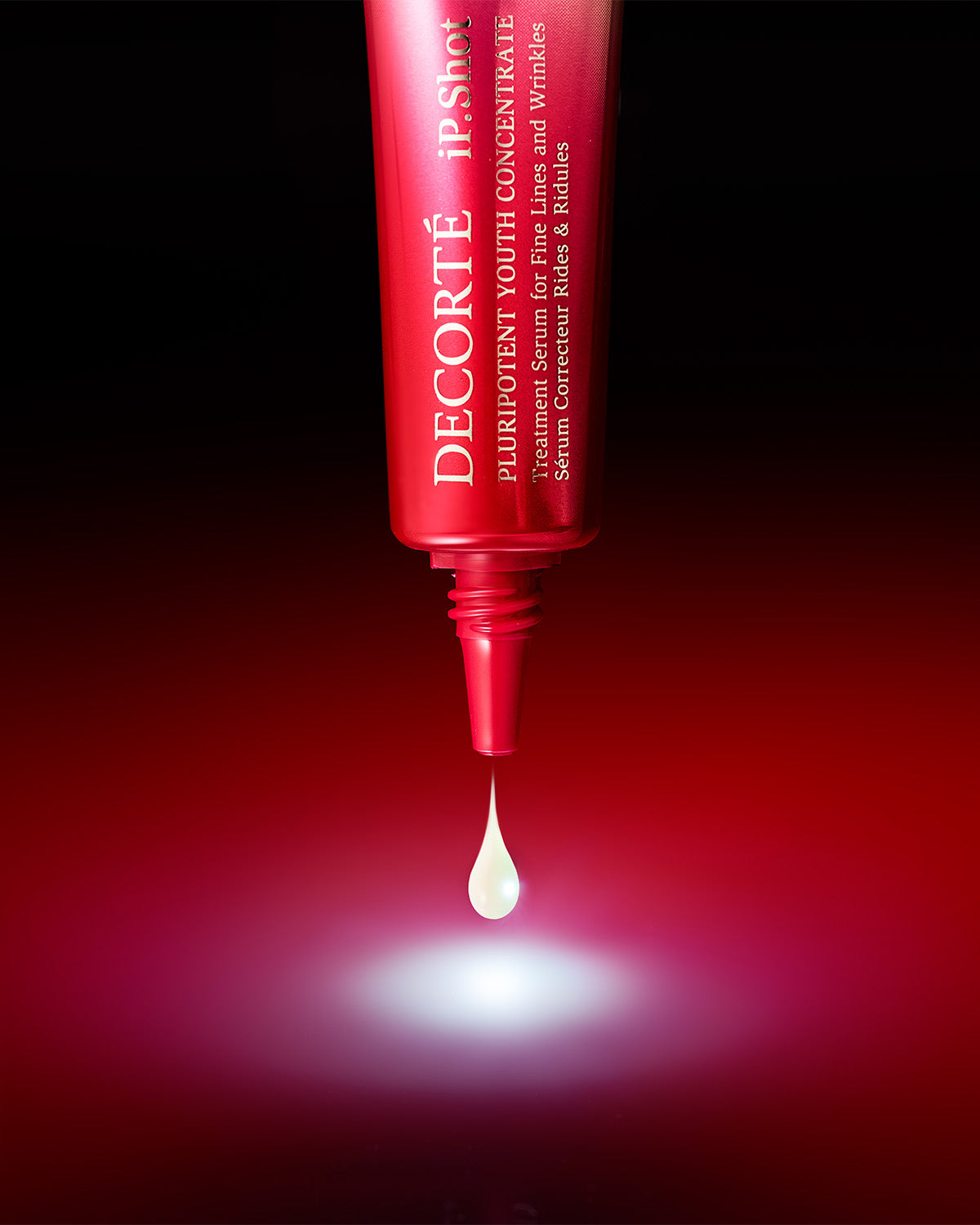
What Products at DECORTÉ have Niacinamide?
Can Niacinamide help improve uneven skin tone?
Research has explored Niacinamide's ability to help improve the appearance of uneven tone, dullness, and visible signs of aging. Bissett DL, Oblong JE, Berge CA. Niacinamide: A B vitamin that improves aging facial skin appearance. Dermatol Surg. 2005 Jul;31(7 Pt 2):860-5; discussion 865. doi: 10.1111/j.1524-4725.2005.31732. PMID: 16029679. https://pubmed.ncbi.nlm.nih.gov/16029679/
How does Niacinamide support the skin barrier?
Studies have explored Niacinamide's role in helping strengthen the skin barrier and support moisture retention.
Gehring W. Nicotinic acid/niacinamide and the skin. J Cosmet Dermatol. 2004 Apr;3(2):88-93. doi: 10.1111/j.1473-2130.2004.00115.x. PMID: 17147561. https://pubmed.ncbi.nlm.nih.gov/17147561/